


India shapes its road trips around the seasons. For example, deserts cool down in winter, high passes unlock in summer, monsoon rains turn hills into spectacular waterfalls, and shoulder months balance clear skies with fewer crowds. Therefore, when you match your route to the right season, you can drive on safer highways, enjoy sharper views, avoid weather-related closures, and stretch your budget further with smoother days on the road. Moreover, choosing the right time of year helps you experience each destination at its very best. In this guide, you will discover the best road trips in India for every season, complete with distances, suggested durations, must-see highlights, and practical travel tips. As a result, you can confidently turn one good idea into a perfectly timed and unforgettable journey.
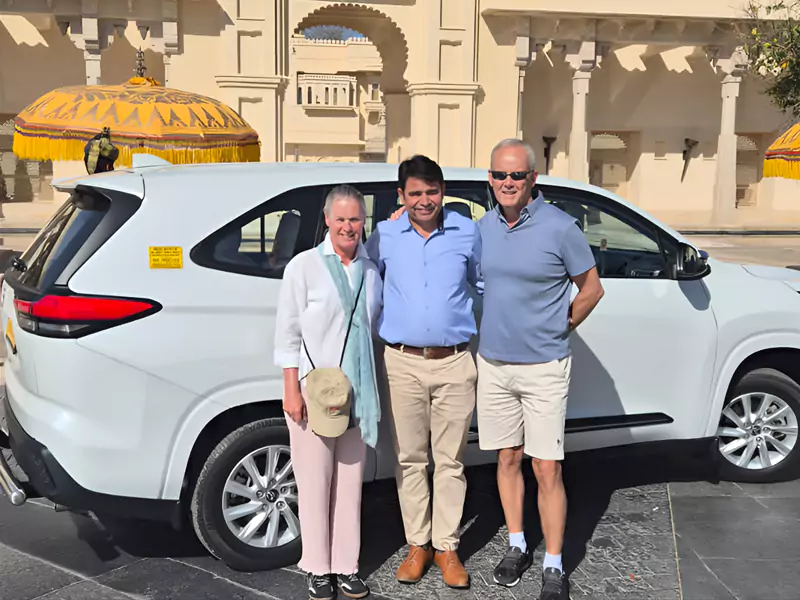
Road trips in India through Rajasthan with a private car
India’s size and geography mean each region behaves like its own climate zone. For instance, snow closes high passes for months, desert plains swing from chilly to scorching, and coastal regions alternate between calm seas and dramatic storms. As a result, every season offers a completely different road trip experience. However, if you ignore the seasons, you may encounter blocked roads, heat exhaustion, or washed-out views. On the other hand, when you plan your journey according to the weather, you can enjoy safer drives, clearer scenery, and more comfortable travel conditions. Moreover, choosing the right season allows you to experience the most scenic and memorable road trips in India at their absolute best. Therefore, careful planning can transform a good road trip into an unforgettable adventure.
For example, imagine Pangong Lake glowing sapphire under a clear June sky or Coorg’s coffee hills wrapped in mist during August. Likewise, each destination reveals its own unique beauty when visited in the right season. Therefore, if you time your trip carefully, the road itself becomes an unforgettable part of the experience rather than just a way to reach your destination. As a result, every mile offers memorable scenery, rewarding stops, and a more enjoyable journey.
Winter in much of India delivers bright 10–25°C days, along with almost no rainfall and long, comfortable driving hours. As a result, this season is perfect for heritage circuits, fort climbs, and city walks. Moreover, the pleasant weather allows you to spend more time exploring outdoor attractions without discomfort. In contrast to peak summer, sightseeing becomes far more enjoyable and less exhausting. Therefore, winter is widely considered one of the best seasons for memorable road trips across India.
This expanded Golden Triangle‑style loop links Delhi’s chaos, Agra’s iconic Taj Mahal, Jaipur’s pink palaces, and Udaipur’s shimmering lakes into one coherent road trip.
Key facts
First, you start amid Delhi’s historic streets. Then, you can head to Agra for a breathtaking sunrise visit to the Taj Mahal if you want to complete the full loop. After that, continue your drive to Jaipur to explore its magnificent forts and vibrant markets before finally gliding down to the lakeside city of Udaipur. Meanwhile, the well-maintained four-lane stretches of NH48 provide a smooth driving experience. However, you should still watch for busy traffic around Jaipur and toll plazas near major junctions. Therefore, with a little planning, this route becomes one of the most enjoyable road trips in India.
Route highlights
If you enjoy culture, architecture, and photography, then this road trip is an excellent choice. Moreover, it transforms Rajasthan into a relaxed, multi-day open-air museum filled with magnificent forts, palaces, and vibrant traditions. As a result, every stop offers new opportunities for exploration and unforgettable photographs. Overall, it is one of the most rewarding cultural road trips in India.

Road trips in India with a chauffeur-driven car
For art and history lovers in western India, the route from Mumbai to Aurangabad is an outstanding choice. Moreover, it delivers an intense concentration of UNESCO-listed wonders without requiring long driving days. As a result, you can spend more time exploring ancient caves, historic monuments, and cultural landmarks instead of sitting behind the wheel. Meanwhile, the well-connected highways make the journey comfortable and enjoyable. Therefore, this route is perfect for travelers seeking a rich cultural experience combined with a relaxed road trip.
Key facts
You leave Mumbai’s coastline, follow highways through the Deccan plateau, and base yourself around Aurangabad for a classic day trip to Ellora and Ajanta.
Route highlights
This circuit rewards patient travelers who like to linger at heritage sites, read interpretive signs, and photograph carvings without sweating through their clothes.
When much of the Indian plains sizzle at 40°C or more, the Himalayas turn into a natural refuge. Summer, especially late May to September, opens roads that snow closes for the rest of the year.
The Manali–Leh route ranks among the world’s legendary high‑altitude road trips. It passes glaciers, turquoise rivers, and some of the highest motorable passes you can reasonably reach by road.
Key facts
First, the road climbs from Manali to Rohtang before crossing spectacular high passes such as Baralacha La and Taglang La. Then, it follows windswept river valleys all the way into Leh, offering breathtaking mountain scenery throughout the journey. However, good planning is essential for a safe and enjoyable trip. Therefore, drive shorter stretches at high altitude, take frequent rest breaks, and stay well hydrated. Moreover, keep extra time in your itinerary to account for changing weather conditions or unexpected roadwork delays. As a result, you’ll enjoy one of the most memorable Himalayan road trips with greater comfort and confidence.
Route highlights
You travel slower, drink more water, avoid heavy alcohol, and build acclimatisation days into Manali and Leh so your body adjusts gently to thin air.
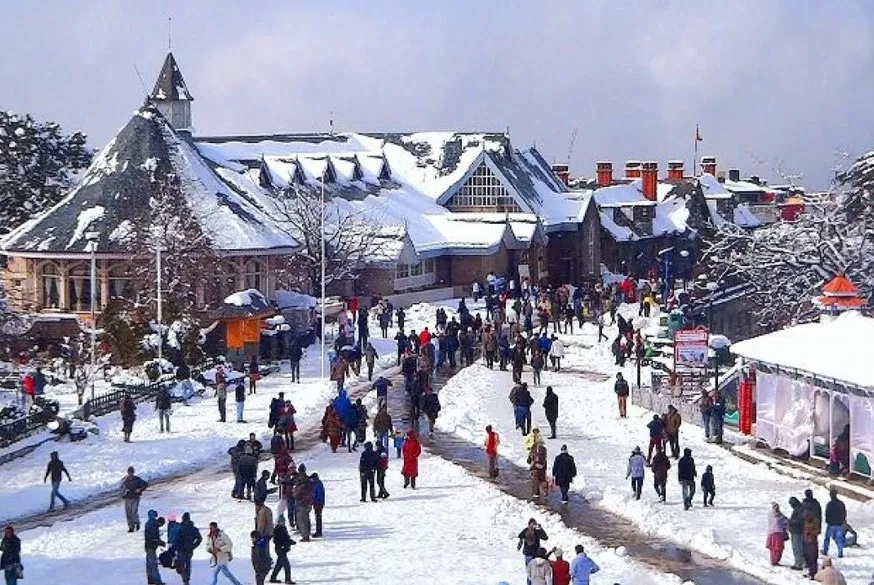
Shimala Tour
If you want rugged beauty with meditative quiet, the route from Shimla into Spiti Valley delivers cliff‑hugging roads, ancient monasteries, and villages that feel suspended between earth and sky.
Key facts
You start on the historic Hindustan–Tibet Road from Shimla, trace the course of mountain rivers, and arrive at Kaza as a base for day trips. Many travelers combine this with a Shimla Manali tour from Delhi for the perfect Himalayan road adventure.
Route highlights
This road trip suits confident drivers comfortable with narrow mountain roads, hairpin bends, and slow progress. You gain unforgettable scenery in exchange for focus and patience behind the wheel.
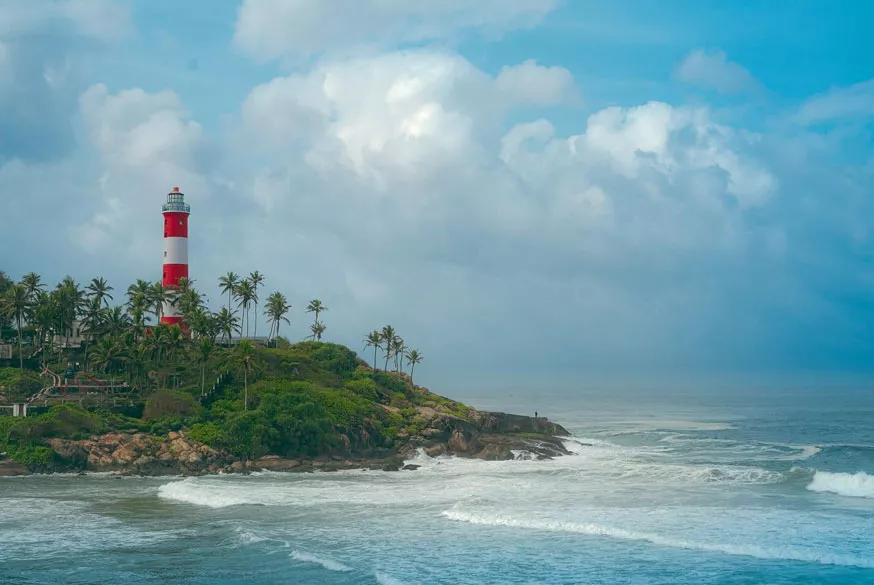
kovalam Beach
During the monsoon season, much of India transforms into a vibrant, green mosaic. As a result, forests, valleys, and countryside roads become incredibly scenic. However, it is wise to avoid landslide-prone mountain backroads during periods of heavy rainfall. Instead, choose safer coastal routes and low-hill drives, where the monsoon reveals its true beauty. Moreover, you’ll be rewarded with spectacular waterfalls, lush landscapes, and dramatic cloudscapes along the way. Therefore, with the right route and careful planning, a monsoon road trip can become one of the most memorable travel experiences in India.
The coastal route between Mumbai and Goa offers one of India’s most scenic monsoon‑friendly drives when you pick well‑maintained stretches and allow for slower speeds on wet roads.
Key facts
You trace the Arabian Sea, cross rivers on bridges, and pass small towns where red earth, green hills, and grey skies blend into a moody palette.
Route highlights
You respect speed limits, check for local advisories about waterlogging, and avoid driving through standing water where you cannot see the road surface.
The triangle linking Bengaluru, Coorg (Kodagu), and Mysuru offers a shorter yet satisfying monsoon break, especially for travellers in southern India.
Key facts
Highways and state roads lead you from urban Bengaluru to coffee estates, mist‑laden hills, and a royal city rich in tradition and architecture.
Route highlights
Leeches and slippery trails come as part of the package; you wear proper footwear, use gaiters or long socks, and stick to marked paths around estates and forest edges.
Shoulder months straddle the edges of peak seasons. They often bring softer light, more forgiving temperatures, and fewer crowds without the harsh extremes of mid‑summer or the storms of mid‑monsoon.
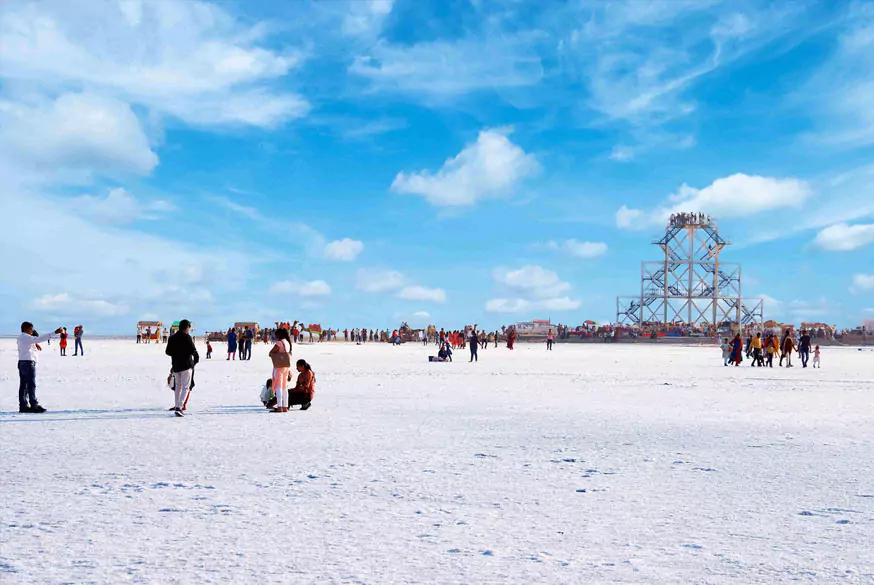
rann-of-kutch
The Great Rann of Kutch serves up endless white salt flats, desert villages, and extraordinary night skies. While peak festival months run through winter, shoulders before and after the busiest weeks keep things calmer.
Key facts
You head northwest through Gujarat, cross flat countryside, and reach the edge of the salt desert, where changing light turns the landscape surreal.
Ready to explore the Rann? Check out our Gujarat Desert and Beach Tour for a hassle‑free adventure.
Route highlights
You still check timing for any local festivals, fairs, or events that may affect accommodation availability around popular tent cities.
The East Coast Road (ECR) south of Chennai threads art, spirituality, beaches, and cafés into a compact coastal road trip.
Key facts
You leave Chennai, follow the coastline past fishing villages and backwaters, and arrive in Pondicherry’s French‑influenced quarters before exploring around Auroville and Mahabalipuram.
Route highlights
This road trip suits travellers who love a mix of culture, food, and light beach time rather than intense trekking or long mountain drives. road trips in India.
Pro Planning Trips for ny Indian Road Trip
Whatever season or route you choose, a few consistent habits keep your road journeys smoother and safer.
Check Weather and Road Conditions
Prepare Your Vehicle Properly
Plan Permits and Documents
Manage Fuel, Food, and Stops
Stay Safe and Respectful
Travel Light and Travel Green
Turn Your Dates into a Custom Road Trip
Road trips in India offer unforgettable experiences throughout every month of the year. For example, winter is perfect for exploring forts and deserts, while summer opens spectacular mountain passes. Meanwhile, the monsoon transforms jungles and coastal regions into lush, scenic landscapes, and shoulder seasons provide balanced weather with fewer crowds. Therefore, when you match your travel dates to the right route, you can enjoy clear views, smoother drives, and more meaningful stops along the way. Moreover, careful seasonal planning helps you avoid extreme heat, road closures, and unnecessary travel stress. As a result, you can experience the very best road trips in India in comfort, safety, and style.